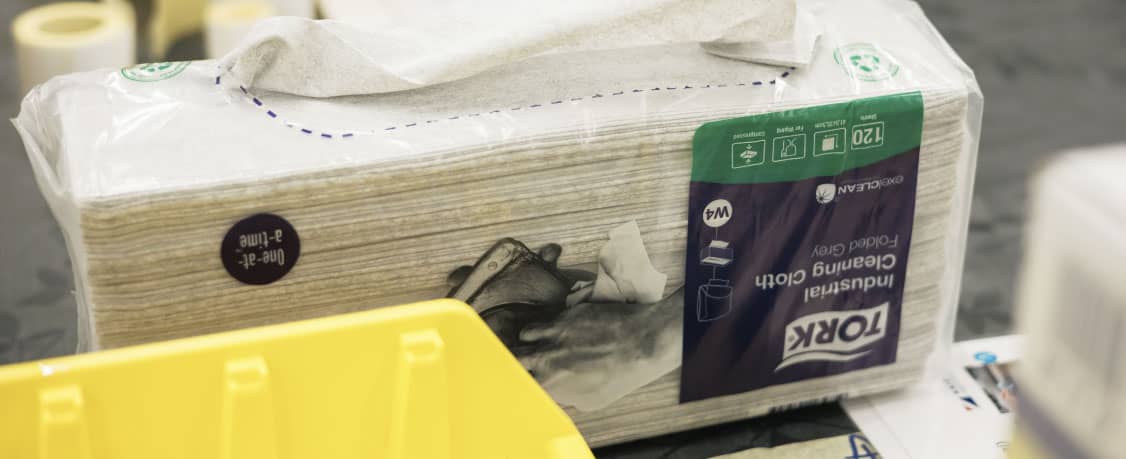
An apparently inexpensive wiping cloth can generate additional costs through excessive consumption, longer working times, quality defects and increased waste. How can these hidden losses be identified, and what role do standardisation and the right choice of materials play?
In manufacturing, costs are closely monitored: raw materials, energy, equipment, labour and maintenance. However, there is one category of consumables that, despite being used every day, rarely receives the same level of attention: indirect materials such as wiping cloths, cleaning wipes, gloves and other cleaning supplies.
In most cases, purchasing decisions are based on the unit price, consumption is managed without clearly defined standards, and expenses are recorded collectively under a single cost category. In this context, choosing a cheaper wiping cloth may seem like the obvious cost-saving option.
In reality, prețul de achiziție reprezintă doar o parte din costul unei lavete. Efectele alegerii sale se pot reflecta în productivitatea operatorilor, calitatea produselor, timpul necesar executării operațiilor și volumul de deșeuri.
These losses are harder to identify precisely because they occur in processes other than procurement.
On 22 October 2026, during the KaToAn workshop organised by Tork, Ansell and Kaizen Institute Romania, in partnership with Toreco, participants explored how process organisation and the choice of consumables can influence the efficiency of a production line.
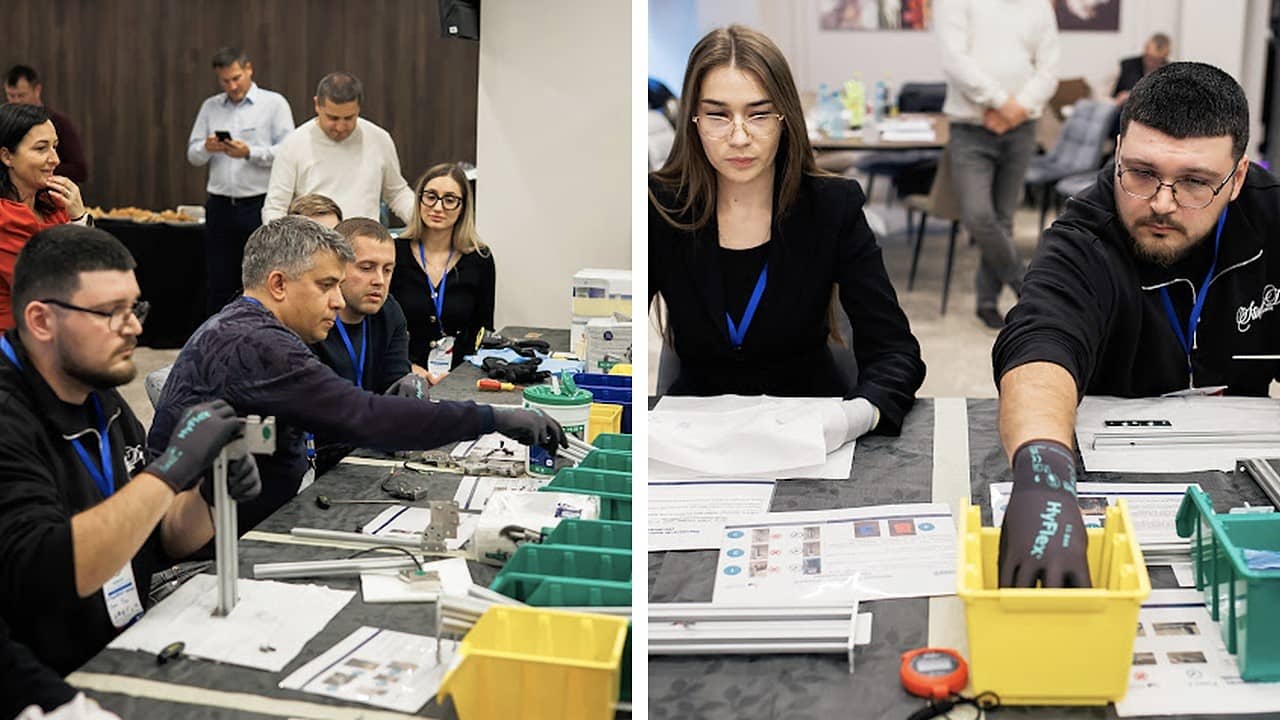
The exercise replicated an industrial workflow involving pressing, masking, drilling and assembly operations. Participants worked through two consecutive rounds under the same general conditions, using the same types of components and with the same time allocated.
In the first round,teams received written work instructions, while cleaning materials were available on a shelf without clear selection criteria for each operation.
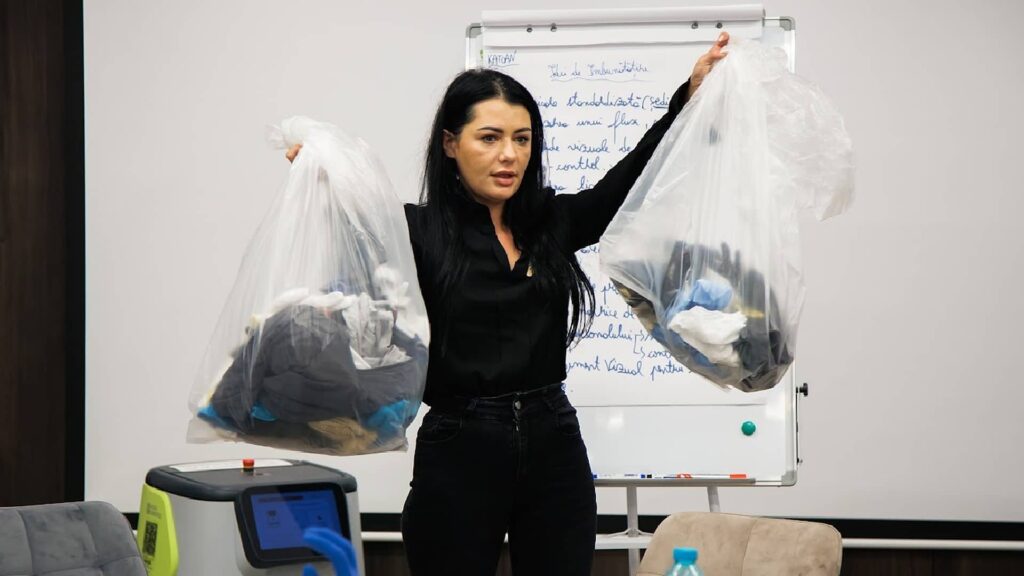
In the second round,visual work standards based on Kaizen principles were introduced, together with wiping materials suited to the operations being performed. For example, when removing oil from a component before masking, operators were provided with a material specifically suited to that task.
The materials used in each round were collected separately. Comparing the two sets of waste provided an initial visual indication before the results and underlying causes were discussed.
The purpose of the exercise was not simply to compare consumables, but to demonstrate the connection between work standards, workstation organisation and the way resources are used.
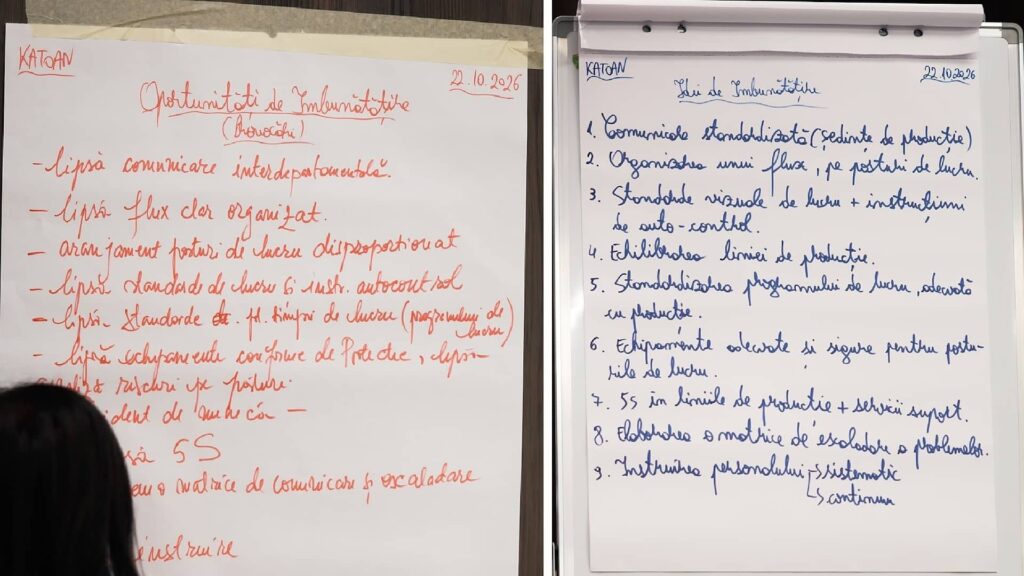
Following the simulation, participants analysed the causes of the identified problems and proposed improvement measures. The main issues included:
The proposed solutions focused on standardising communication through production meetings, organising workflows and workstations, introducing visual standards, balancing the production line, selecting appropriate equipment, implementing 5S principles and providing systematic, ongoing employee training.
One particularly relevant observation was that the choice of wiping cloth was not identified separately as a cause of production losses. This highlights a common challenge in industrial environments: certain consumables are treated as an ordinary part of the process rather than as variables that can influence its performance.
An unsuitable wiping cloth can lead to repeated wiping, unnecessary movements, time spent searching for materials, lint or residue on surfaces and even additional workplace risks. The effects may be visible, but the underlying cause can easily go unnoticed.
In a well-standardised process, the right wiping cloth is not a minor detail. It is part of the work standard.
This is one of the key conclusions of the simulation: improvement is not only about eliminating visible problems, but also about identifying the factors that cause them.
To properly evaluate the cost of cleaning materials, it is necessary to look beyond the purchase invoice.
The total cost of using a wiping cloth can include five main components:
1. Purchase price
This is the most straightforward cost to identify and compare between suppliers. However, a lower unit price does not necessarily mean a lower overall cost.
2. Quantity consumed
An unsuitable wiping cloth may require several pieces to achieve the same result. Selecting the right material and establishing clear usage guidelines can help reduce consumption.
3. Labour time
Searching for consumables, repeated wiping, frequent material replacement and reworking operations all take time. Across a production line, these minutes can add up and negatively affect productivity.
4. Impact on quality
Lint, residue or incomplete cleaning can compromise certain operations, requiring additional inspections or rework. In processes with specific cleanliness requirements, the choice of wiping material must take into account the technical requirements of the application.
5. Waste management
Higher consumption means more materials to collect and dispose of. Depending on the level of contamination and applicable requirements, waste handling may involve additional operations and costs.
Therefore, a meaningful comparison between two solutions should consider not only the price per piece, but also the quantity required, time spent using the material, the result achieved and the costs associated with waste management.
A documented case from the tyre manufacturing industry illustrates this difference. Replacing second-hand cleaning rags with paper wiping materials manufactured using TAD (Through-Air-Dried) technology, together with the introduction of a usage standard, was associated with a 57% reduction in monthly costs and a reduction of more than 90% in textile waste.Through-Air-Dried), împreună cu introducerea unui standard de utilizare, a fost asociată cu reducerea costului lunar cu 57% și a deșeurilor textile cu peste 90%.
In this case, the new wiping materials had a higher unit price. However, the savings resulted from optimised consumption, standardised usage and the elimination of related process losses.
This example demonstrates why a solution must be evaluated in the context of the specific operation for which it is intended. Results may vary depending on the application, initial consumption levels, cleaning requirements and how the standard is implemented.
The lesson is simple: the most economical solution is not necessarily the cheapest wiping cloth, but the material that meets the requirements of the operation at an optimal total cost of use.
To identify potential losses associated with indirect materials, an initial assessment can start with three questions.
1. Is there a standard for every operation?
Is it clearly specified which type of wiping cloth should be used at each workstation, or is the choice left to the operator? A clear standard reduces variations in material usage and makes employee training easier.
2. How is consumption monitored?
Is wiping cloth consumption tracked by workstation, production line or type of operation? Or are all materials recorded under a single cost category? Detailed data helps identify workstations with unusually high consumption and compare results before and after changes are introduced.
3. Are consumables considered when analysing the causes of problems?
When a defect, delay or rework situation occurs, is the material used for cleaning also examined? Root cause analysis should consider all relevant variables, including consumables and how they are used.
If the answers to these questions reveal a lack of standards or insufficiently detailed data, there may be opportunities for improvement worth investigating.
Optimising indirect materials does not necessarily begin with changing suppliers or negotiating a lower purchase price. The first step may simply be observing how these materials are actually used in the production process.
A practical approach involves identifying the operations, selecting suitable consumables, defining usage standards and monitoring consumption. The results can then be compared to assess the impact on productivity, quality and waste volumes.
This approach is aligned with Kaizen principles: improvements should be based on observing processes, identifying root causes and verifying results rather than relying solely on assumptions.
For manufacturing companies, cleaning materials are just one example of a category where closer analysis can reveal hidden losses. The same approach can also be applied to other consumables used on a daily basis.
At Toreco, we believe that selecting professional cleaning materials should start with the actual needs of the process and the results it is expected to deliver. A solution should not be assessed in isolation, but in the context in which it is used.
The true cost of a wiping cloth is not the price on the purchase invoice, but the total cost of achieving the required result while maintaining quality, safety and efficiency.
We use various cookies on our website to provide you with the best browsing experience. These technologies may collect data such as your IP address, site usage information and approximate location. You can accept all optional cookies, reject them, or customise your preferences.
Politica de cookies